
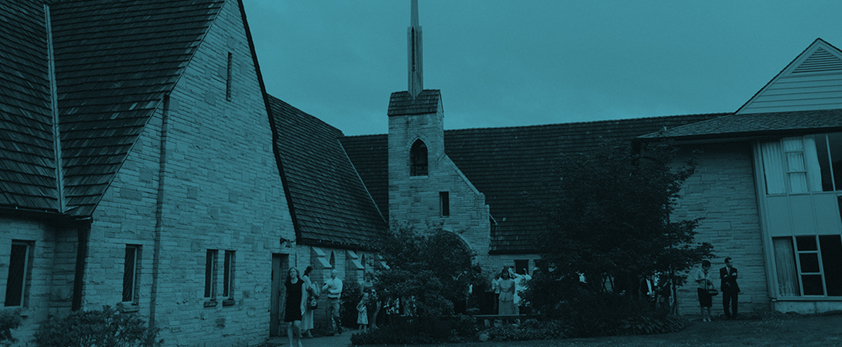
CHURCH
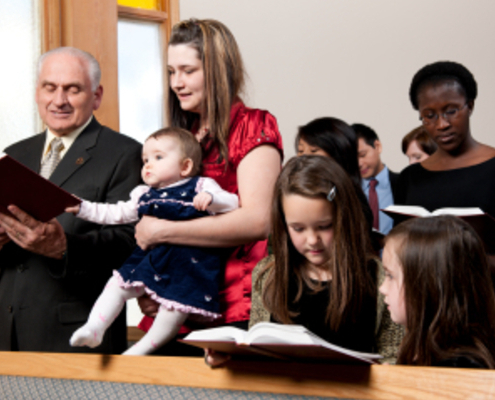 https://whataboutjesus.com/wp-content/uploads/1970/01/congregation.jpg
400
711
waj
https://whataboutjesus.com/wp-content/uploads/2016/01/WAJ-logo-offwhite.png
waj2019-08-12 13:52:502020-01-13 11:24:57Do I have to worship in a church?
https://whataboutjesus.com/wp-content/uploads/1970/01/congregation.jpg
400
711
waj
https://whataboutjesus.com/wp-content/uploads/2016/01/WAJ-logo-offwhite.png
waj2019-08-12 13:52:502020-01-13 11:24:57Do I have to worship in a church?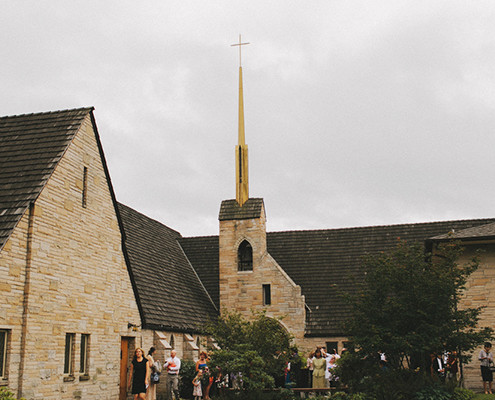 https://whataboutjesus.com/wp-content/uploads/2016/01/700x411-Im-Too-Busy-to-Go-to-Church.jpg
400
711
waj
https://whataboutjesus.com/wp-content/uploads/2016/01/WAJ-logo-offwhite.png
waj2019-07-12 15:02:382020-01-13 11:25:57I am too busy to go to church
https://whataboutjesus.com/wp-content/uploads/2016/01/700x411-Im-Too-Busy-to-Go-to-Church.jpg
400
711
waj
https://whataboutjesus.com/wp-content/uploads/2016/01/WAJ-logo-offwhite.png
waj2019-07-12 15:02:382020-01-13 11:25:57I am too busy to go to church https://whataboutjesus.com/wp-content/uploads/2016/01/700x411-HowDoIWorshipGod.jpg
400
711
waj
https://whataboutjesus.com/wp-content/uploads/2016/01/WAJ-logo-offwhite.png
waj2019-06-06 12:00:052020-01-13 11:28:17How do I worship God?
https://whataboutjesus.com/wp-content/uploads/2016/01/700x411-HowDoIWorshipGod.jpg
400
711
waj
https://whataboutjesus.com/wp-content/uploads/2016/01/WAJ-logo-offwhite.png
waj2019-06-06 12:00:052020-01-13 11:28:17How do I worship God?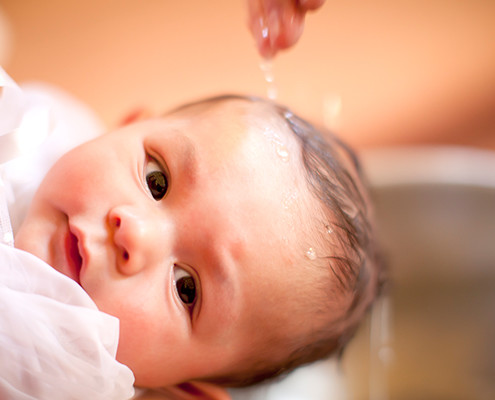 https://whataboutjesus.com/wp-content/uploads/2016/01/700x411-ImportanceOfBaptisim.jpg
400
711
waj
https://whataboutjesus.com/wp-content/uploads/2016/01/WAJ-logo-offwhite.png
waj2016-07-06 14:10:002020-01-15 07:40:46What is the importance of Christian Baptism?
https://whataboutjesus.com/wp-content/uploads/2016/01/700x411-ImportanceOfBaptisim.jpg
400
711
waj
https://whataboutjesus.com/wp-content/uploads/2016/01/WAJ-logo-offwhite.png
waj2016-07-06 14:10:002020-01-15 07:40:46What is the importance of Christian Baptism? https://whataboutjesus.com/wp-content/uploads/2016/01/700x411-ChurchIsBoring.jpg
400
711
waj
https://whataboutjesus.com/wp-content/uploads/2016/01/WAJ-logo-offwhite.png
waj2016-01-12 14:34:112020-01-15 12:54:53Church is boring
https://whataboutjesus.com/wp-content/uploads/2016/01/700x411-ChurchIsBoring.jpg
400
711
waj
https://whataboutjesus.com/wp-content/uploads/2016/01/WAJ-logo-offwhite.png
waj2016-01-12 14:34:112020-01-15 12:54:53Church is boring https://whataboutjesus.com/wp-content/uploads/2016/01/man-praying.jpg
400
711
waj
https://whataboutjesus.com/wp-content/uploads/2016/01/WAJ-logo-offwhite.png
waj2016-01-12 14:34:032020-01-15 12:55:19What is a confession?
https://whataboutjesus.com/wp-content/uploads/2016/01/man-praying.jpg
400
711
waj
https://whataboutjesus.com/wp-content/uploads/2016/01/WAJ-logo-offwhite.png
waj2016-01-12 14:34:032020-01-15 12:55:19What is a confession? https://whataboutjesus.com/wp-content/uploads/2016/01/10-commandments.jpg
400
711
waj
https://whataboutjesus.com/wp-content/uploads/2016/01/WAJ-logo-offwhite.png
waj2016-01-12 14:02:472020-01-17 14:53:25What is the Small Catechism?
https://whataboutjesus.com/wp-content/uploads/2016/01/10-commandments.jpg
400
711
waj
https://whataboutjesus.com/wp-content/uploads/2016/01/WAJ-logo-offwhite.png
waj2016-01-12 14:02:472020-01-17 14:53:25What is the Small Catechism? https://whataboutjesus.com/wp-content/uploads/2016/01/ten-commandments.jpg
400
711
waj
https://whataboutjesus.com/wp-content/uploads/2016/01/WAJ-logo-offwhite.png
waj2016-01-12 14:02:402020-01-17 14:53:52What is the Large Catechism?
https://whataboutjesus.com/wp-content/uploads/2016/01/ten-commandments.jpg
400
711
waj
https://whataboutjesus.com/wp-content/uploads/2016/01/WAJ-logo-offwhite.png
waj2016-01-12 14:02:402020-01-17 14:53:52What is the Large Catechism? https://whataboutjesus.com/wp-content/uploads/2016/01/construction.jpg
400
711
waj
https://whataboutjesus.com/wp-content/uploads/2016/01/WAJ-logo-offwhite.png
waj2016-01-12 14:02:152020-01-17 14:54:53Why Do We Have Creeds?
https://whataboutjesus.com/wp-content/uploads/2016/01/construction.jpg
400
711
waj
https://whataboutjesus.com/wp-content/uploads/2016/01/WAJ-logo-offwhite.png
waj2016-01-12 14:02:152020-01-17 14:54:53Why Do We Have Creeds?WHO IS JESUS?
Many people have many different ideas. Just a good man who lived and died? A charismatic man whose followers stretched the truth? A holy man with some connection to the divine? A prophet like Mohammed? Who is Jesus?
WORSHIP
Ever have a question about worship practices but didn’t know whom to ask? Well here’s the place for you! Learn the meaning of the Scripture readings in church,. Learn how to pray. And understand religious terms used in the church setting.


